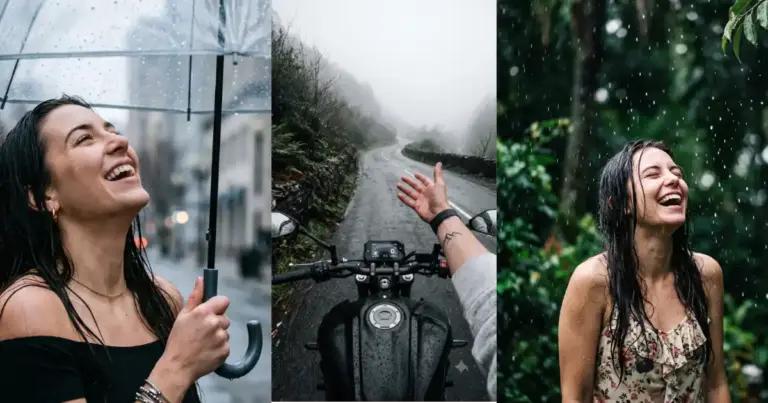
Camera angle can change the entire look of an AI-generated image. A basic prompt often creates a front-facing or eye-level view. When you add a clear camera angle, you tell the AI where to place the virtual camera and how to show the subject. This can change the subject’s size, depth, mood, and visual focus. In this guide, you will find 50+ camera angle prompts for Gemini, ChatGPT, and other AI image generators. You can copy these prompts and adjust the subject, setting, lighting, and style for your own projects.
Part 1. What Is a Camera Angle Prompt?
A camera angle prompt tells an AI image generator where the virtual camera should sit in relation to the subject. Instead of simply asking for “a photo of a man,” you can ask for “a low-angle shot of a man standing on a city street.” That small change can produce a different composition. The camera may look up at the subject, look down from above, or place the viewer directly inside the scene. Google's current image-generation guidance also recommends using camera position, camera proximity, lens type, lighting, and other photography terms to give an image model more control over the result.

What Does a Camera Angle Do in an AI Image Prompt?
A camera angle controls the viewpoint of the image. It can affect:
- How much of the subject appears in the frame
- How large or small the subject looks
- How much of the background the AI shows
- How the viewer sees the scene
- The sense of height and depth
- The visual focus of the image
For example, an eye-level angle creates a natural view. A low-angle shot can make a building, person, or object appear taller. A high-angle shot can show more of the ground and surroundings.
Camera Angle vs. Shot Size vs. Camera Perspective
| Term | What it controls |
|---|---|
| Camera angle | The camera's vertical or tilted relationship to the subject |
| Shot size | How much of the subject appears in the frame |
| Camera height | How high or low the camera sits |
| Perspective | How the scene appears spatially |
| Lens | How wide, close, or compressed the scene looks |
These terms work together. For example, you can combine a low-angle camera with a wide shot and a 24mm lens to create a large environmental scene.
Part 2. 50+ Camera Angle Prompts for AI Images
Camera angle prompts help AI image generators create more controlled and natural compositions. They tell the AI where to position the virtual camera around the subject. Below, you’ll find 50+ camera angle prompts for portraits, products, travel scenes, action shots, and cinematic images.
1. Eye-Level & Neutral Camera Angles
Eye-level and neutral camera angles create a natural, balanced view that closely matches how people normally see a scene. They work well for portraits, product photos, social media content, interviews, and everyday settings. These angles keep the subject clear without adding dramatic perspective, making them useful when you want realistic proportions, simple composition, and a familiar visual style.
“An eye-level portrait of a young man standing in a modern city, natural lighting, realistic photography.”
“A straight-on shot of a luxury watch on a clean studio table, soft studio lighting, sharp details.”
“A front-facing shot of a woman wearing a modern outfit, clean background, natural daylight.”
“A shoulder-level photo of a chef preparing food in a professional kitchen, realistic photography.”
“A centered camera view of a red sports car parked in a modern garage, balanced composition.”
“A direct-to-camera portrait of a professional man in a dark suit, simple studio background.”
“A neutral perspective photo of a cozy living room, natural window light, realistic interior photography.”
2. High & Low Camera Angle Prompts
High and low camera angles change how viewers see the size, shape, and position of a subject. A high-angle view looks down and can show more of the surrounding area, while a low-angle view looks upward and can make subjects appear taller or more noticeable. These angles work well for portraits, buildings, products, and cinematic scenes.
“A low-angle shot of a tall businessman standing outside a modern office building, dramatic sky.”
“A high-angle shot of a woman walking through a colorful market, showing the surrounding street.”
“An extreme low-angle view of a skyscraper reaching into the blue sky, dramatic perspective.”
“An extreme high-angle view of a cyclist riding through a forest road, detailed environment.”
“A worm’s-eye view of tall trees surrounding the camera, looking straight toward the sky.”
“An elevated camera view of a modern outdoor wedding setup, tables, flowers, and guests.”
“A ground-level perspective of a sports car driving along a wet road, reflections on the surface.”
“A knee-level shot of a fashion model walking through an urban street, natural daylight.”
3. Overhead, Aerial & Top-Down Prompts
Overhead, aerial, and top-down angles show the subject from above, giving viewers a broader view of the scene. They work especially well for food photography, product layouts, travel scenes, rooms, maps, and organized setups. These perspectives can also reveal patterns, shapes, and details that may not be visible from eye level.
“An overhead shot of a wooden table covered with coffee, books, flowers, and a laptop.”
“A top-down view of a colorful breakfast arranged neatly on a white table.”
“A bird’s-eye view of a coastal town surrounded by blue water and green hills.”
“An aerial view of a winding road through a green mountain valley, realistic photography.”
“A drone perspective of a small boat moving across a calm blue lake.”
“A flat-lay product photo of skincare bottles, flowers, and a white towel arranged neatly.”
“A near-90-degree overhead shot of a modern desk setup with a laptop, notebook, phone, and coffee.”
4. Close-Up & Subject-Focused Camera Prompts
Close-up and subject-focused camera prompts control how tightly the virtual camera frames the main subject. They help highlight facial features, product details, textures, and small elements. These angles work well for portraits, beauty images, food photography, fashion, product shots, and character designs where visual details need more attention.
“A close-up portrait of a smiling woman with natural skin texture, soft window lighting.”
“An extreme close-up of a human eye with detailed eyelashes and natural reflections.”
“A medium close-up of a professional speaker standing on a stage, soft background blur.”
“A full shot of a man standing beside a vintage car on an empty road.”
“A wide shot of a family walking along a beach during sunset, ocean and sky visible.”
“An extreme wide shot of a lone traveler standing in a vast desert landscape.”
“A macro perspective of a green leaf covered with tiny water droplets, sharp natural details.”
5. POV & Immersive Camera Angle Prompts
POV and immersive camera angles create a first-person or viewer-centered perspective that makes the scene feel more direct and engaging. These prompts can place the camera in the subject’s position or show the scene from a specific viewpoint. They work well for travel, lifestyle, gaming, storytelling, and action images.
“A first-person POV of a person riding a bicycle through a quiet forest trail.”
“An over-the-shoulder shot of a woman looking at a laptop in a bright home office.”
“A realistic selfie perspective of friends standing together at a city landmark.”
“A viewer POV of a person opening the door of a modern mountain cabin.”
“A behind-the-subject view of a traveler looking across a mountain valley.”
“A view through a camera lens showing a photographer capturing a city street.”
“A reflected camera view of a woman looking into a large mirror in a modern bedroom.”
“A shoulder-mounted perspective of a journalist walking through a busy outdoor event.”
6. Dynamic & Dramatic Camera Angle Prompts
Dynamic and dramatic camera angles make AI-generated images feel more active and visually striking. They can change the direction, balance, and sense of movement within a scene. These prompts work well for sports, action shots, fashion, music, dance, and cinematic images where you want a stronger sense of motion.
“A Dutch-angle shot of a detective walking through a dark city street at night.”
“A slightly tilted camera view of a skateboarder performing a trick in an urban park.”
“A canted perspective of a musician performing under stage lights, dramatic composition.”
“A low-angle action shot of a football player running across a field, motion frozen clearly.”
“A dynamic diagonal perspective of a motorcycle moving through a mountain road.”
“A wide-angle perspective of a dancer performing inside a large modern studio.”
“A tracking perspective of a runner moving through a city street, background showing slight motion.”
“A motion-focused perspective of a cyclist racing down a road, sharp subject with natural background blur.”
7. Creative & Cinematic Camera Perspectives
You can combine camera angles with lens types and composition for more specific results. Google's image-generation guidance lists lens options such as 35mm, 50mm, fisheye, wide-angle, and macro, and it also recommends describing camera position and proximity.
“A fisheye perspective of a crowded city street, curved edges, realistic street photography.”
“A wide-lens perspective of a modern living room, showing the furniture and full interior.”
“A long-lens compression shot of a runner with distant mountains appearing close behind.”
“A cinematic shot of a woman framed through an open doorway, warm evening light.”
“A reflection shot of a city skyline visible in a rain-covered glass window.”
“A silhouette perspective of a person standing on a beach during sunset, bright sky behind.”
“A cinematic view of a person walking through a forest, partially hidden behind nearby leaves.”
“A symmetrical perspective of a grand hotel entrance, centered composition and balanced architecture.”
“A deep-perspective street scene with a person in the foreground and tall buildings extending into the distance.”
“An environmental portrait of a photographer inside a large studio, showing the person and creative workspace.”
Part 3. How to Write Better Camera Angle Prompts for AI
A good camera angle prompt does not need complicated words. Give the AI clear information in a logical order.
Use this simple formula:
Camera Angle + Shot Size + Subject + Composition + Lighting + Lens/Style
For example:
“Low-angle full shot of a young man standing beside a red sports car, centered composition, sunset lighting, 35mm cinematic photography.”
Each part has a clear job:
- Camera angle: Tells the AI where to place the camera.
- Shot size: Controls how much of the subject appears.
- Subject: Defines the main person, object, or scene.
- Composition: Explains where the subject should appear.
- Lighting: Controls the brightness, shadows, and mood.
- Lens/style: Adds photography characteristics.
Google's current Gemini image-generation documentation recommends describing the subject, setting, lighting, camera angle, and lens when creating photorealistic scenes. You can also improve results by changing only one part of the prompt at a time. For example, start with an eye-level portrait and then change it to a low-angle portrait. This makes it easier to see how the camera position changes the image. For Gemini or ChatGPT, write the camera instruction clearly instead of adding many unrelated keywords. If the first result does not show the requested angle, repeat the instruction with more detail, such as “camera positioned below the subject, looking upward.”
Part 4. Bonus Tip: Generate AI Images with Camera Angle Prompts in Edimakor AI
Edimakor AI ’s text-to-image tool lets you create images by entering a simple text prompt. You can describe the subject, camera angle, lighting, composition, and visual style to guide the result. It also offers different image models, aspect ratios, output options, and styles. You can use the camera angle prompts from this guide in Edimakor AI to test different viewpoints while keeping the same main subject and overall idea.
Create NowKey Features of Edimakor AI
- Text-to-Image Generation: Turn written prompts into AI-generated images by describing your subject, scene, camera angle, and style.
- Camera Angle Control: Add angles such as low-angle, overhead, eye-level, or POV to create different views of the same subject.
- Multiple Image Models: Choose from available AI models to test different image-generation results for your creative projects.
- Different Aspect Ratios: Select suitable image proportions for social posts, videos, websites, thumbnails, and other content.
- Multiple Output Options: Generate different image results from your prompt so you can compare variations and choose one.
How to Use Camera Angle Prompts in Edimakor AI
Step 1: Open Edimakor AI
Go to the Edimakor AI website and open the Text to Image tool. The online tool provides a prompt box where you can enter your image description.
Step 2: Enter Your Camera Angle Prompt
Write your subject first and then add the camera angle. For example: “A young woman walking through a modern city, low-angle full shot, evening light, 35mm photography.”
Step 3: Choose Your Settings
Select an available model, resolution, aspect ratio, and output quantity based on your project. Edimakor currently lists several aspect ratios, including 1:1, 16:9, 4:3, 3:4, 2:3, and 9:16.
Step 4: Generate and Compare Results
Generate the image and check the camera position. If the angle does not look right, edit the prompt and make the camera position more specific.
Conclusion
Camera angle prompts give AI image generators clearer instructions about how you want to view a subject. You can use eye-level shots for natural images, low angles for tall subjects, overhead views for layouts, close-ups for details, and POV shots for immersive scenes. You can also combine camera angle, shot size, lens, lighting, and composition in one prompt. Try the 50+ prompts in this guide with Gemini, ChatGPT, Edimakor AI, or another image generator. Small changes in camera position can create very different results, so test several angles until you find the view that fits your image.


Leave a Comment
Create your review for HitPaw articles